Just as your home requires regular maintenance, so does your septic system, especially in Delaware. If you want to ensure that your wastewater management is running smoothly, knowing when and how to clean your septic tank is imperative. In this guide, you’ll find valuable tips about the cleaning process, recommended frequencies, and local services available to assist you. For expert help, consider reaching out to Residential Septic Service – Clean Delaware Inc. to keep your system in top shape.
Key Takeaways:
- Regular Maintenance: It’s important to schedule regular septic tank cleaning to prevent clogs and backups.
- Professional Services: Hiring a certified septic service provider in Delaware ensures proper cleaning and compliance with local regulations.
- Frequency of Cleaning: On average, septic tanks should be cleaned every 3 to 5 years, depending on usage and household size.
- Signs of Issues: Be observant of signs such as foul odors, slow drains, or pooling water in your yard, which may indicate the need for immediate cleaning.
- Environmental Considerations: Proper disposal of waste during cleaning is vital to protect Delaware’s environment and water sources.
- Costs Involved: The cost for septic tank cleaning can vary based on tank size and region, so it’s wise to get multiple quotes.
- System Upgrades: Consider upgrading your system if cleaning is frequent, as older systems may need replacement or repair.
Understanding Septic Tanks
What is a Septic Tank?
With many homes in Delaware relying on septic systems for wastewater treatment, understanding how these systems work is important. A septic tank is an underground chamber made of concrete, fiberglass, or plastic where wastewater from your household is collected and treated. As the wastewater enters the tank, heavier solids settle at the bottom, forming sludge, while lighter substances such as oils and grease float to the top, creating scum. The middle layer, known as effluent, is the liquid that flows out of the tank and into a drain field where it undergoes further treatment before re-entering the environment.
In essence, the septic tank acts as a barrier to separate solids from liquids, allowing for the natural breakdown of organic matter by anaerobic bacteria. By efficiently managing household waste, septic tanks serve as an integral part of a sustainable waste disposal system, especially in areas where centralized sewage systems are not available.
Importance of Septic Tank Maintenance
For homeowners in Delaware, regular maintenance of your septic tank is vital to ensure its longevity and effectiveness. Neglecting this important system can lead to costly repairs, environmental hazards, and potentially hazardous health risks. By keeping your septic system well-maintained through routine inspections and pumping, you can prevent backups and malfunctions, which can cause damage to your property and the surrounding environment.
This maintenance not only protects your investment but also promotes a healthy living environment for you and your family. Regular maintenance helps to address any minor issues before they escalate into significant problems, saving you time, money, and the inconvenience associated with septic system failures.
Common Issues with Septic Tanks
One of the most common issues that homeowners encounter with septic tanks is improper waste disposal. Flushing non-biodegradable items, such as wipes, harsh chemicals, and grease, can lead to clogs and overloading of the system. These practices disrupt the natural decomposition process and may result in the formation of solid waste backups, affecting the overall efficiency of your septic tank.
Additionally, a lack of regular pumping and maintenance can lead to the accumulation of sludge, which can overwhelm the tank and cause it to backflow into your home or overflow into your yard. This not only poses a health risk but can also contaminate groundwater sources.
Septic systems can also face issues related to tree roots invading the system, which can obstruct drainage and lead to severe damage. You should regularly inspect any nearby vegetation to prevent root intrusion, and take steps to manage potential nuisance plants.
Types of Septic Systems
If you are considering a septic system for your property in Delaware, it’s important to understand the different types available. Each system serves unique purposes and varies in its operation and maintenance requirements. Below are the primary types of septic systems you may encounter:
- Conventional Septic Systems
- Alternative Septic Systems
- Aerobic Treatment Units
- Insulated Systems
- Capping Systems
The following table provides a brief overview of these types:
| Type | Description |
|---|---|
| Conventional Septic Systems | Traditional systems that typically consist of a septic tank and a drain field. |
| Alternative Septic Systems | Innovative solutions for homes with challenging soil or site conditions. |
| Aerobic Treatment Units | Systems that use air to enhance the breakdown of waste material. |
| Insulated Systems | Designed for colder climates to prevent freezing. |
| Capping Systems | Used to restore functionality to failed septic systems. |
Conventional Septic Systems
Some of the most common and widely used septic systems are conventional septic systems. They comprise two main components: a septic tank and a drain field or leach field. The septic tank collects waste from your home, separating solids from liquids. Solid waste settles at the bottom, while liquid waste flows out and is treated in the drain field before entering the ground. This system is effective for areas with suitable soil conditions and adequate space for a drain field.
Regular maintenance is important for the longevity and efficiency of conventional systems. You should schedule routine pumping every three to five years to ensure the tank does not overflow or become clogged. Additionally, avoiding the disposal of non-biodegradable materials, such as grease or chemicals, will help your system function effectively.
Alternative Septic Systems
The alternative septic systems are designed for properties facing soil or environmental challenges, making them ideal for sites where conventional systems may not work effectively. These systems employ various technologies to treat wastewater more effectively, allowing for better filtration and dispersal in unsuitable soil types.
Common examples include drip distribution systems, mounds, and constructed wetlands. Depending on your specific property needs, you can choose the alternative system best suited to your situation. These systems typically require a higher upfront investment and ongoing maintenance considerations.
Conventional septic systems may not meet the needs of every home, and alternative septic systems can fill that gap by providing tailored solutions to unique site conditions. Understanding these differences will help you make informed decisions regarding the best options for your property.
Aerobic Treatment Units
Septic systems that incorporate Aerobic Treatment Units (ATUs) utilize oxygen to enhance the decomposition of organic matter present in wastewater. This process accelerates the treatment of sewage by using air pumps or aerators, leading to cleaner effluent entering the drain field. ATUs can be particularly beneficial for properties with limited space or poor soil quality, as they require a smaller area than conventional systems.
In addition, aerobic systems can produce a higher-quality effluent than traditional systems. This results in reduced environmental impact and less potential for groundwater contamination. Regular maintenance is crucial to ensure that the aeration components are functioning properly and to avoid system failures.
Units like Aerobic Treatment Units can significantly improve your wastewater management strategy. This might be especially vital in areas with stringent regulations and environmental concerns. Familiarizing yourself with these systems will help you choose the best septic solution for your property. The
Factors Affecting Septic Tank Cleaning
Despite the imperative nature of septic tank maintenance, several factors influence how often your tank needs to be cleaned. It’s vital to understand these elements to keep your system functioning optimally. Here are some key considerations:
- Size and capacity of the tank
- Household size and usage
- Soil conditions and location
- Type of waste generated
- Seasonal variations in usage
Thou must pay close attention to these factors to ensure your septic system operates smoothly.
Size and Capacity of the Tank
On choosing or evaluating your septic tank, it’s important to consider its size and capacity in relation to the number of people living in your home. A larger tank can accommodate greater volumes of wastewater, which may result in longer intervals between cleanings. Conversely, a smaller tank may require more frequent maintenance, particularly if household usage spikes.
On the whole, the tank size you opt for should align with your family’s lifestyle and usage patterns. Understanding the capacity can help you plan your septic maintenance accordingly, ensuring you do not face unforeseen problems.
Household Size and Usage
Even the size of your household plays a significant role in septic tank cleaning frequency. More occupants typically mean more wastewater generated, leading to quicker accumulation of solids and scum. As such, if you have a larger family or frequently host guests, you may find that your tank requires more frequent pumping to avoid backups or overflows.
A common rule of thumb is that a household of four may need to have their septic tank pumped every three to five years, but this can vary based on individual habits and water usage. Therefore, closely monitoring your family’s water consumption and waste generation is wise to determine whether you need to adjust your septic maintenance schedule.
Soil Conditions and Location
The conditions of the soil surrounding your septic system can also impact how often you should clean your tank. Well-draining soils allow for better absorption of wastewater, which may reduce the frequency of maintenance required. However, if your property has clay or other poorly draining soils, you may find that your system backs up more quickly, necessitating more frequent cleanings.
Additionally, the location of your tank in relation to your home and other structures can play a role in how well the system functions. In areas where heavy rains occur or during winter when the ground is frozen, the system may face additional stress, leading to potential backups.
Household choices also affect soil conditions. Using environmentally friendly practices, like minimizing chemical usage and opting for biodegradable products, can enhance the health of both your septic system and the surrounding soil.
Tips for Effective Septic Tank Cleaning
Keep your septic system in top shape by focusing on effective cleaning and maintenance strategies. This will help prevent costly repairs and ensure that your entire system functions efficiently. Here are some tips to help you maintain your septic tank:
- Schedule regular pumping, ideally every three to five years, depending on your tank size and household usage.
- Keep a record of your septic tank cleaning and inspection dates for future reference.
- Avoid flushing non-biodegradable items or chemicals that may disrupt the septic system’s balance.
- Monitor water usage in your home to prevent overloading the system.
- Consider planting trees at a safe distance to prevent root intrusion into the drain field.
Knowing these tips can help you maintain a healthy septic system that serves your home for years to come.
Frequency of Cleaning
For any septic system, the frequency of cleaning is necessary to keeping it functioning effectively. Typically, homeowners should plan for septic tank pumping every three to five years, depending on the size of the tank and the number of people in your household. If you have a larger family or frequently entertain guests, you may need to clean your tank more often to accommodate increased usage.
It’s also important to consider factors like the volume of wastewater generated each day and the types of products you use in your home. If you use a lot of harsh chemicals or have a garbage disposal, your tank may fill up more quickly, necessitating a shorter cleaning interval.
Signs Your Septic Tank Needs Cleaning
Effective identification of warning signs can save you from bigger problems down the line. If you notice gurgling sounds, slow drains, or foul odors coming from the area near your tank, these could indicate that your septic system is struggling. Additionally, if you see standing water or lush, green grass over the drain field, it’s often a sign that your tank is backed up.
Frequency in checking these signs is important, as they may not immediately evolve into major problems. Be vigilant in noticing any changes around your septic system, and if you suspect an issue, it’s best to address it as soon as possible.
Best Practices for Maintenance
With the right approaches to maintenance, you can prolong the life of your septic tank and avoid expensive repairs. Regular inspections are vital for identifying potential issues before they escalate. In addition to pumping the tank as needed, you should also evaluate the drain field for proper functioning and ensure that it’s free from blockages or damage.
Additionally, consider seeking professional assistance for comprehensive inspections every few years. Professionals can use tools to assess the condition of your septic tank more thoroughly than what you might manage on your own.
Signs of neglect can manifest quickly in a septic system, leading to more substantial damage and financial loss. By practicing regular maintenance and being aware of the signs that indicate your system may need attention, you can greatly reduce the risk of severe issues down the road. Staying proactive in managing your septic tank will ultimately serve your household’s needs for many years.
Step-by-Step Guide to Cleaning Your Septic Tank
All homeowners with a septic system need to understand the importance of routine maintenance, specifically cleaning your septic tank. The following step-by-step guide provides a clear and concise approach to properly clean and maintain your system.
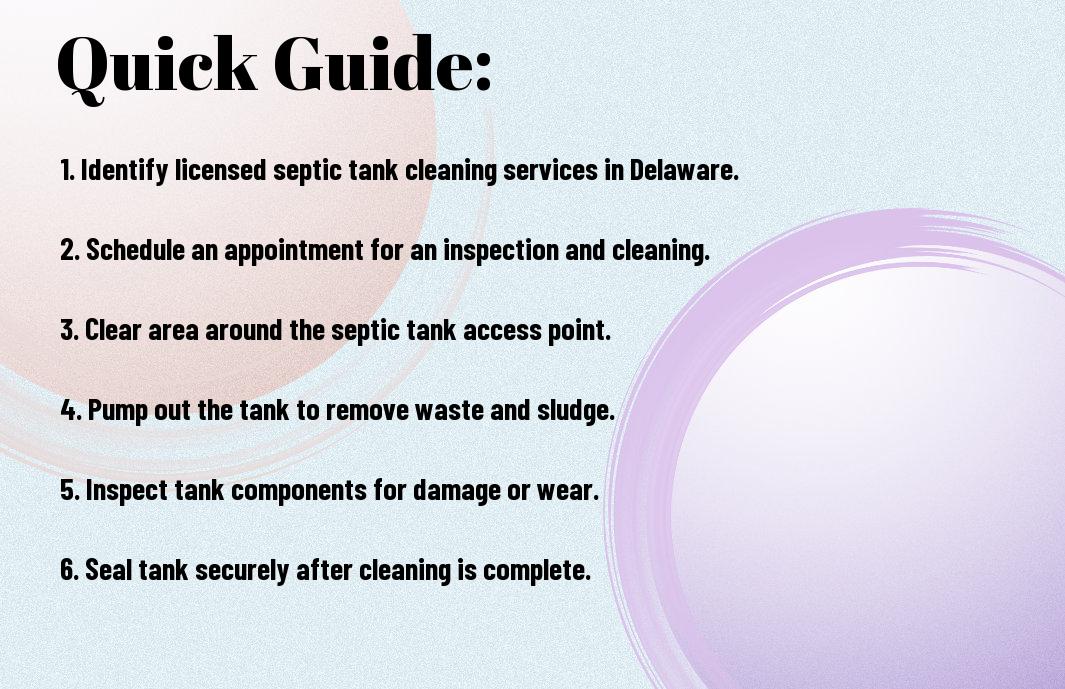
| Step 1 | Preparation and Safety Measures |
| Step 2 | Pumping Out the Tank |
| Step 3 | Inspecting and Cleaning Tank Components |
| Step 4 | Replacing the Lid and Ensuring Proper Seal |
Preparation and Safety Measures
On top of ensuring you have the right tools and equipment, preparing your space is imperative for safety. Gather all necessary tools, which may include rubber gloves, masks, and a pump, and make sure you have clear access to the area around the septic tank. This will help reduce any potential hazards while working on your septic system.
On entering the site, always assess your surroundings for safety. Septic tanks can emit harmful gases, so it’s advisable to work in pairs and use proper ventilation, especially in confined spaces. Having someone nearby ensures help is readily available if an emergency arises.
Pumping Out the Tank
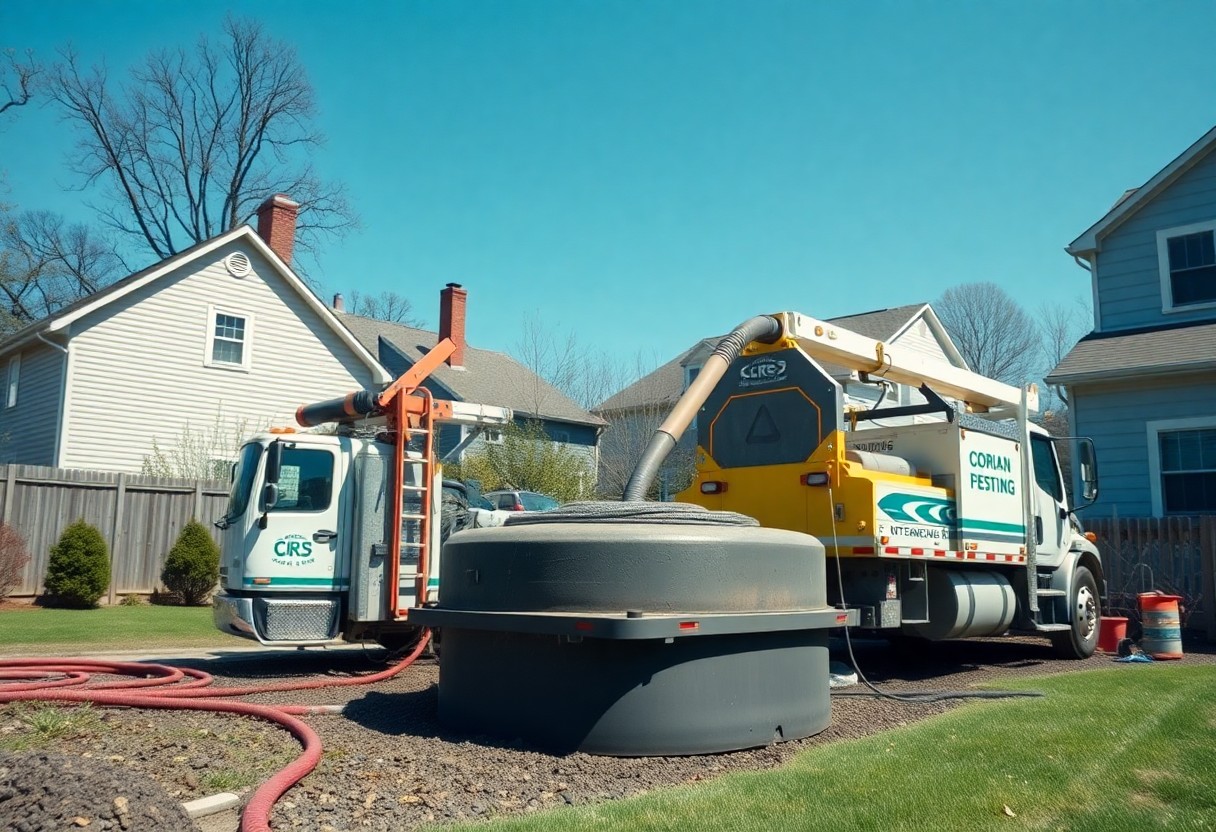
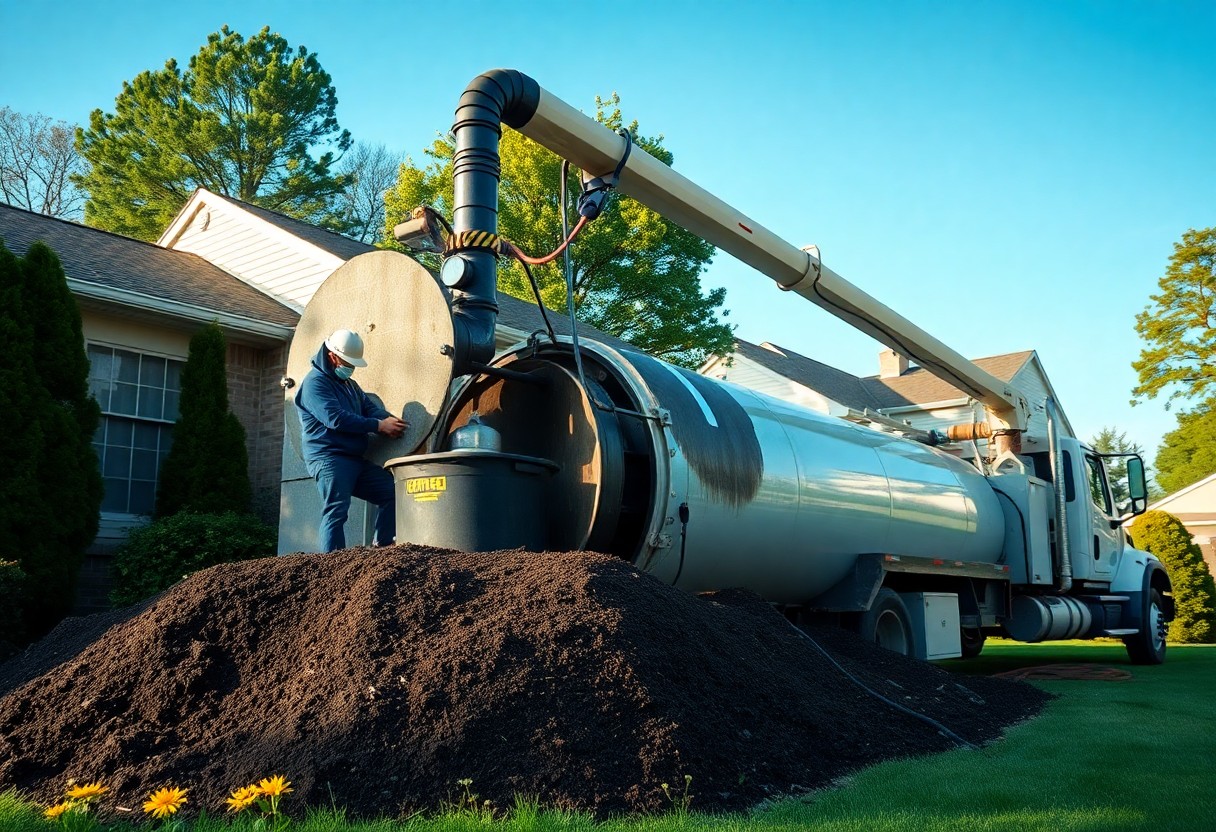
Safety first, when it comes to pumping out the tank. This step is critical as it involves removing waste that has accumulated over time. Use a professional septic service if you’re unfamiliar with the process. If you decide to do it yourself, ensure you have the right pump and protective gear to manage the waste safely.
Safety also means being careful about how you approach the tank removal process. Take your time to efficiently pump out all the sludge and scum, as this will help prevent future issues with your septic system. Following safety protocols will protect you from toxic exposure and ensure a more efficient cleaning operation.
Another aspect to consider is how often to pump out your tank. Regular inspections can help you determine the best schedule. Many experts recommend every three to five years, but this can vary based on tank size and household usage.
Inspecting and Cleaning Tank Components
Your next task involves inspecting and cleaning the components of the septic tank. This includes checking for any signs of damage or wear in components such as the inlet and outlet baffles. Thoroughly cleaning any blocked pipes will ensure that waste flows efficiently and helps to prevent clogs.
Your attention should also be directed towards inspecting the tank walls and floor. Look for any cracks or leaks that may need sealing. A well-maintained tank will function better, leading to fewer issues down the line.
For instance, if you notice any accumulation of solids or grease lining the walls, that indicates the need for a more comprehensive cleaning. Regular monitoring encourages effective operation and extends the lifespan of your septic system.
Replacing the Lid and Ensuring Proper Seal
For the final step, securely replace the lid of the tank and ensure a proper seal. A sealed tank is vital for preventing hazardous gases from escaping and for maintaining system efficiency. Use a gasket or sealant recommended for septic tanks to enhance the seal’s effectiveness.
Ensuring that the lid is properly replaced also contributes to safety. A secure lid prevents unwanted access and protects children and pets from potential hazards associated with septic systems. A well-sealed tank keeps your system running smoothly, allowing for proper waste management.
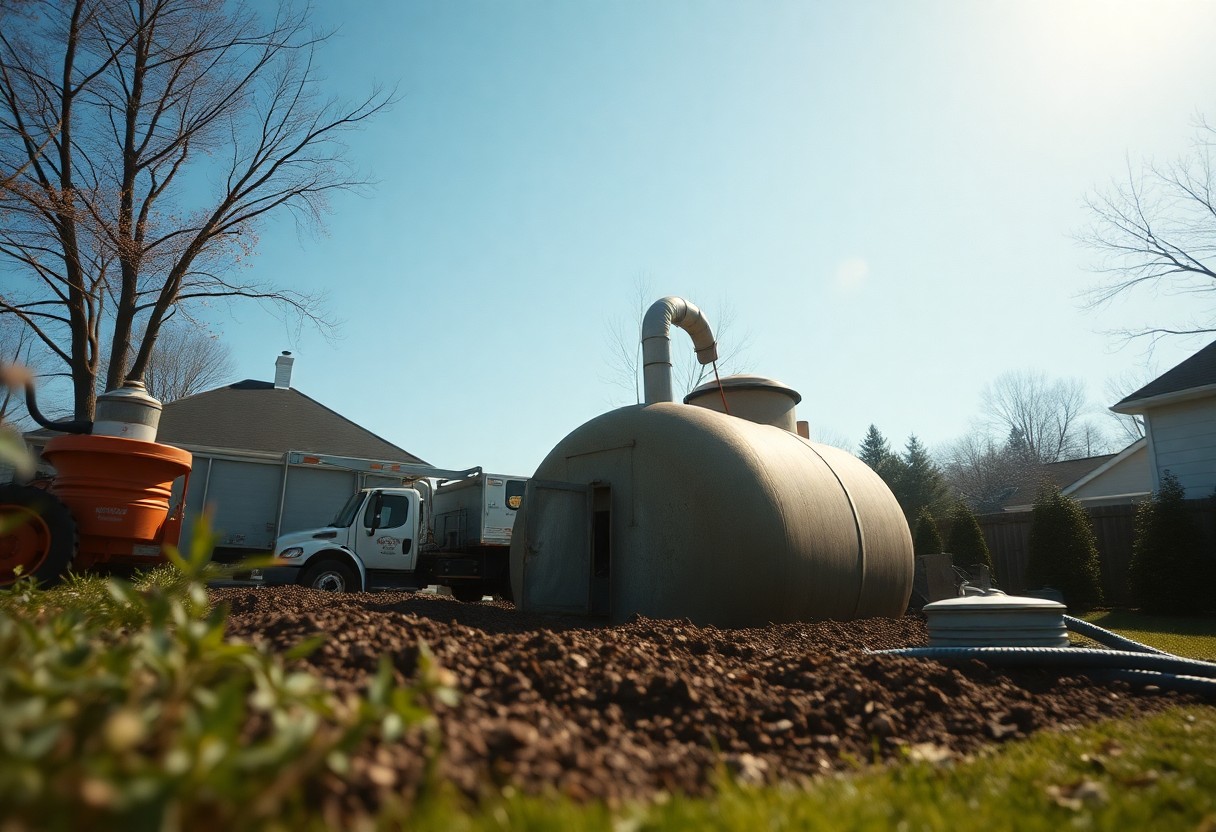
Pros and Cons of DIY Septic Tank Cleaning
Once again, the decision to clean your septic tank yourself can be both appealing and daunting. Here’s a breakdown of the advantages and disadvantages to help you make an informed choice.
Pros and Cons of DIY Septic Tank Cleaning
| Pros | Cons |
|---|---|
| Cost-effective: You save money on professional services. | Potential safety hazards: Working with septic systems can expose you to harmful bacteria and toxic gases. |
| Control: You manage the timing and process of the cleaning. | Time-consuming: DIY cleaning can take longer than anticipated, affecting your schedule. |
| Learning experience: You gain knowledge about how your septic system works. | Equipment costs: You may need to invest in specialized tools for effective cleaning. |
| Personal satisfaction: Completing the job yourself can be rewarding. | Improper handling: Risks of mishandling the system could lead to expensive repairs. |
| Flexible scheduling: You choose when to perform the task according to your availability. | Pumping challenges: If not done correctly, you may encounter clogs or overflow issues. |
Advantages of DIY Cleaning
Tank cleaning your septic system by yourself can lead to numerous benefits. One major advantage is the cost savings associated with avoiding professional service fees. Depending on the size and condition of your tank, hiring a contractor can be quite expensive. By opting for a DIY approach, you keep your hard-earned money in your wallet while maintaining your system.
Moreover, performing septic tank cleaning yourself gives you greater control over the process. You can choose the frequency of cleaning based on your specific needs rather than relying on a contractor’s schedule. This flexibility allows you to monitor your tank’s conditions more closely, enabling better long-term maintenance of your septic system.
Disadvantages and Risks of DIY
For many homeowners, the prospect of tackling septic tank cleaning can come with a number of risks and disadvantages. While saving money may be appealing, the potential hazards and complexities of the job can outweigh the benefits. You may find yourself exposed to harmful materials and toxic gases if you are not equipped with the proper safety gear and knowledge.
In addition, DIY septic cleaning can be notably time-consuming. Whether you are managing the actual cleaning or troubleshooting potential issues that arise, you may end up spending more time on the task than you initially planned. This can disrupt your daily routine and introduce additional stress.
Disadvantages of undertaking a DIY septic tank cleaning extend to the possibility of making mistakes that lead to costly repairs. Failing to effectively clean your tank may cause clogs, leaks, or other problems that necessitate professional intervention, negating any initial savings you hoped to achieve.
When to Call a Professional
Tank cleaning can be a tricky business, and there are instances when it’s best to call in a professional. If you are uncertain about the condition of your septic tank or lack the necessary equipment and experience, hiring a contractor may provide you with peace of mind that the job is done correctly. Professionals are trained to identify problems, ensuring that your septic system is functioning effectively.
Additionally, if your tank exhibits unusual signs, such as frequent backups or strange odors, it is advisable to seek out expertise. These symptoms may indicate underlying issues that could require immediate attention from a professional to avoid further complications. Relying on their experience can save you time and trouble in the long run.
Septic systems are vital for maintaining a sanitary environment in your home, and preserving their functionality is important. A proactive approach to septic tank maintenance that involves calling in the experts when needed will ensure your system operates efficiently for years to come.
Conclusion
With these considerations in mind, it’s important to acknowledge the significance of septic tank cleaning in Delaware. Regular maintenance not only ensures that your system functions efficiently but also helps prevent costly repairs and health hazards associated with neglect. By being proactive and scheduling your septic tank cleaning, you protect the integrity of your property and maintain a safe environment for your family and neighbors.
In Delaware, finding reliable service providers is necessary to ensure that the cleaning process is carried out effectively and in compliance with local regulations. By keeping track of your maintenance schedule and understanding the warning signs of potential septic issues, you can safeguard your investment and enjoy peace of mind knowing your septic system is well taken care of. Engaging with professionals who possess expertise in septic management will also provide you with valuable insights and tips for optimal system performance.
FAQ
Q: How often should I have my septic tank cleaned in Delaware?
A: It is generally recommended to have your septic tank cleaned or inspected every 3 to 5 years, depending on the size of your household and water usage. Regular maintenance helps prevent clogs and system failures.
Q: What are the signs that my septic tank needs cleaning?
A: Common signs that your septic tank may need cleaning include slow drains, unpleasant odors around your yard, lush grass over the drain field, and water pooling in your yard. If you notice any of these issues, it’s best to schedule a service as soon as possible.
Q: How is septic tank cleaning done?
A: Septic tank cleaning involves pumping out the sludge and scum that accumulates in the tank. A professional service will use specialized equipment to empty the tank efficiently and ensure that the waste is disposed of in an environmentally-friendly manner.
Q: Can I clean my septic tank myself?
A: It is not advisable to attempt to clean your septic tank yourself, as it requires specialized knowledge and equipment. Additionally, the waste is hazardous and should only be handled by licensed professionals to ensure safety and proper disposal.
Q: Are there any regulations regarding septic tank cleaning in Delaware?
A: Yes, Delaware has regulations in place for septic system maintenance to protect groundwater and public health. It is important to hire a licensed and certified septic service provider who adheres to state and local regulations to ensure compliance and safety.
Q: How much does septic tank cleaning cost in Delaware?
A: The cost of septic tank cleaning in Delaware typically ranges from $200 to $500, depending on factors such as the size of the tank, the frequency of maintenance, and the specific service provider. It is best to obtain quotes from multiple providers to find the best price and service.
Q: What can I do to maintain my septic system between cleanings?
A: To maintain your septic system, avoid flushing non-biodegradable items, use water-efficient fixtures, avoid excessive water usage, and never pour harmful chemicals down the drain. Regular inspections and pumping, along with proper usage, can greatly extend the life of your septic system.