Over time, the quality of your water can significantly impact your health and home. Understanding your options for water filtration services in Delaware is vital for ensuring you have access to clean and safe drinking water. This guide will provide vital insights into selecting effective filtration systems for your needs. For reliable local solutions, consider checking out Shore Water Refining » Delaware Water Conditioning, Water …, where you can find expert assistance tailored to your requirements.
Key Takeaways:
- Variety of Options: Delaware offers a wide range of water filtration services tailored to different needs, including whole-house systems, reverse osmosis, and under-sink filters.
- Quality Assurance: Many services are accredited and use technology that meets state and federal water quality standards.
- Local Expertise: Local providers possess in-depth knowledge of Delaware’s specific water quality issues, ensuring effective solutions.
- Cost Efficiency: Investing in filtration services can lead to long-term savings by reducing bottled water purchases and protecting plumbing systems.
- Health Benefits: Filtration services can significantly reduce contaminants, providing safer drinking water and improving overall health.
- Environmental Impact: Utilizing water filtration can reduce plastic waste related to bottled water consumption, promoting sustainability.
- Maintenance Services: Most providers offer regular maintenance and testing to ensure optimal performance and water quality.
Understanding Water Filtration Services in Delaware
While living in Delaware, you may encounter various water quality issues that can affect your health and wellbeing. It’s important to be aware of these challenges and how they impact the water supply in your area. Delaware is home to numerous sources of water, including rivers, reservoirs, and groundwater. However, these sources may sometimes be contaminated with pollutants, chemicals, or pathogens, largely due to industrial activity, agricultural runoff, or aging infrastructure. Understanding the nature of these water quality issues can help you make informed decisions when considering water filtration services.
Overview of Water Quality Issues
For many residents, concerns over water quality can stem from high levels of lead, nitrates, or even harmful microorganisms. These contaminants not only pose health risks but can also affect the taste and odor of your water. As you navigate your options for water filtration, it’s necessary to know what specific issues may be present in your local supply. Engaging with local water quality reports or hiring a professional to test your water can provide you with valuable insights into the potential dangers lurking in your drinking water.
Importance of Water Filtration
Services that focus on water filtration play a significant role in ensuring you have access to safe and clean drinking water. Investing in a good filtration system can help remove harmful contaminants, providing peace of mind that you and your family are consuming water that meets safety standards. In addition, a reliable filtration system can enhance the taste of your water, making it more palatable for daily use.
Water filtration systems can also be tailored to suit your specific needs, whether you have concerns about chemical pollutants or biological contaminants. By addressing these issues through professional filtration services, you can protect your health and improve your overall quality of life. Ensuring that your water is clean and safe should be a priority, and with the right filtration options in Delaware, you can have confidence in what you’re drinking every day.
Types of Water Filtration Systems
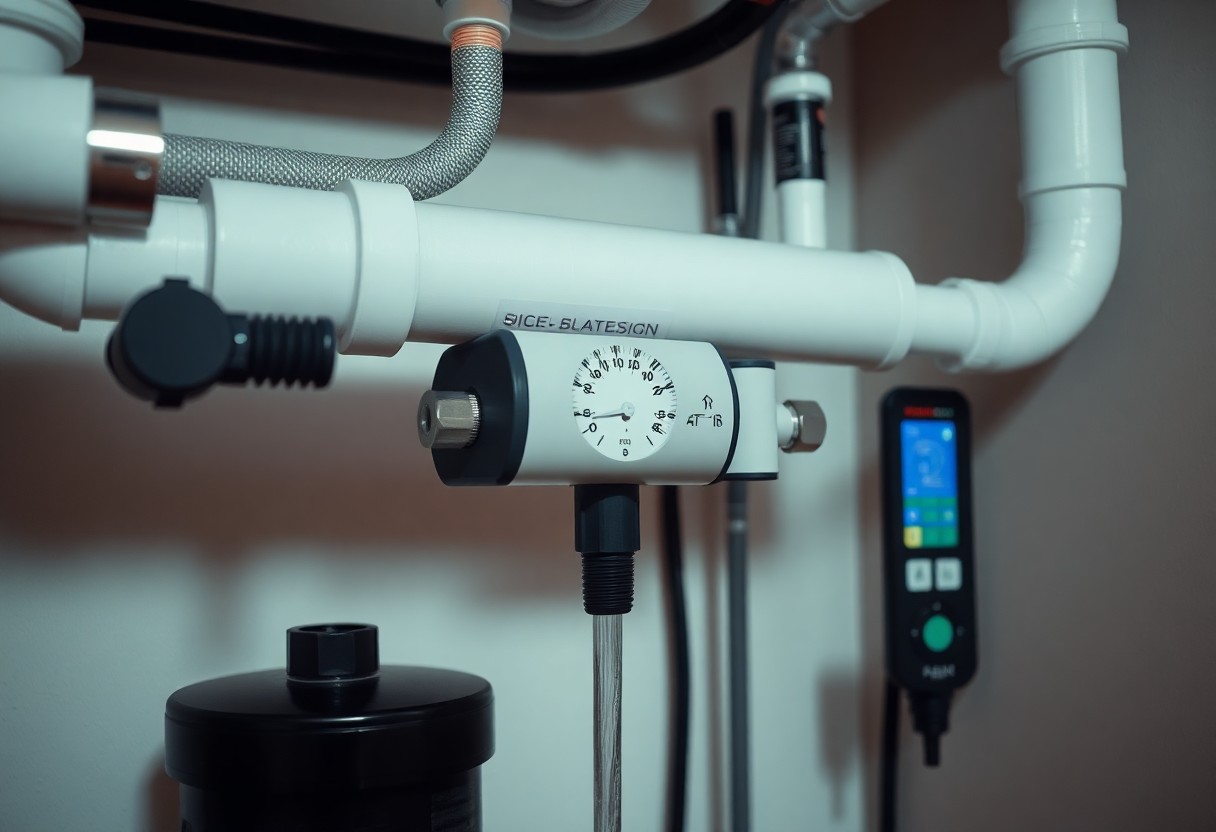
Assuming you are considering a water filtration system for your home in Delaware, it’s imperative to understand the various types available. Each system has its unique advantages, and choosing the right one depends on your specific needs. Here are the primary types of water filtration systems:
- Activated Carbon Filters
- Reverse Osmosis Systems
- Ultraviolet (UV) Purification
- Water Softening Systems
- Whole House Filtration Systems
Thou must evaluate each type to ensure you select the best system for your water quality needs. For more information and installation services, check out Water Filtration Systems | Installation | Hockessin, DE.
| System Type | Primary Function |
| Activated Carbon Filters | Removes chlorine and organic contaminants |
| Reverse Osmosis Systems | Removes dissolved solids and impurities |
| Ultraviolet (UV) Purification | Kills bacteria and viruses |
| Water Softening Systems | Removes hard minerals, like calcium and magnesium |
| Whole House Filtration Systems | Filters water for the entire home |
Activated Carbon Filters
On your journey to clean water, activated carbon filters play a significant role. These systems are designed to capture and remove various contaminants, particularly chlorine and volatile organic compounds (VOCs). The activated charcoal effectively attracts such impurities through adsorption, ensuring you enjoy clean and safe water.
Moreover, activated carbon filters are often used in conjunction with other filtration systems to enhance overall water quality. They are relatively easy to maintain and replace, making them an ideal choice for those seeking a practical and efficient solution for cleaner water.
Reverse Osmosis Systems
Carbon filtration is an effective method, but you may require even more advanced technology concerning water filtration. Reverse osmosis systems provide a thorough approach to purifying water, as they can remove up to 99% of dissolved solids, including salts, heavy metals, and various contaminants. This process relies on a semi-permeable membrane, which allows only pure water to pass through while trapping impurities.
You’ll find that reverse osmosis systems do not only improve water quality but also enhance the taste and odor, offering you and your family refreshing drinking water. These systems can be particularly beneficial if your water source has high levels of dissolved solids.
Types of reverse osmosis systems may vary, from under-sink units to whole-house systems, providing flexibility based on your needs.
Ultraviolet (UV) Purification
Types of water filtration can also include ultraviolet (UV) purification systems, which utilize UV light to eliminate harmful microorganisms such as bacteria and viruses. This technology is particularly useful for ensuring your water is free from pathogens, making it safe for consumption.
UV purification systems do not affect the taste or smell of water, and unlike chemical treatments, they don’t leave behind any residual compounds. This method is highly effective and often used in combination with other filtration systems to provide an added layer of safety.
Osmosis filtration systems do focus on removing impurities, but combining them with UV purification can enhance your home’s overall water quality.
Water Softening Systems
Activated systems designed for water softening address issues related to hard water, which contains high levels of calcium and magnesium. These systems work by exchanging hard minerals with sodium ions, which results in softer water that is less damaging to plumbing and appliances, and has improved lathering properties in soaps and detergents.
Since hard water can lead to scale buildup and reduced efficiency in water heaters, incorporating a water softening system into your home can extend the lifespan of your appliances and fixtures.
A water softening system is particularly effective in areas where hard water is prevalent, providing you with the comfort of knowing your plumbing is protected and your daily routines are enhanced.
Whole House Filtration Systems
The whole house filtration systems are designed to purify water at every tap in your home. They provide comprehensive filtration solutions, addressing various contaminants that may enter your water supply. This ensures clean water for drinking, cooking, bathing, and washing, enhancing your overall quality of life.
When considering a whole house filtration system, it’s important to assess the specific needs of your household, such as water quality, usage patterns, and any potential contaminants in your area.
Plus, choosing this type of system can save you time and hassle by providing consistent quality water throughout your home, ensuring every family member has access to safe and clean water anytime they need it.
Tips for Choosing the Right Water Filtration Service
Many homeowners seek water filtration services to improve their water quality, but selecting the right provider can be daunting. To help you make an informed decision, consider these helpful tips:
- Assess your water quality
- Determine your filtration needs
- Evaluate local service providers
- Read reviews and testimonials
After identifying your options, you will feel more confident in your choice.
Assessing Your Water Quality
Tips for assessing your water quality include testing your water for contaminants such as bacteria, heavy metals, and chlorine. You can purchase a test kit or hire a professional service to perform a comprehensive analysis. Knowing what issues exist in your water supply will guide you in selecting the appropriate filtration system.
Understanding the specific contaminants in your water is necessary, as different filtration methods target various issues. For those residing in Cheswold (Dover), DE, you can explore water filtration solutions based on your test results.
Determining Your Filtration Needs
Determining your filtration needs starts with understanding the specific problems you’ve identified in your water quality assessment. Different systems are designed to tackle specific contaminants, such as sediment, chlorine, or heavy metals. Additionally, consider the volume of water you consume daily and whether you require a point-of-use system or a whole-house solution.
It’s also necessary to factor in your budget and how much maintenance the filtration system will require. Some systems may involve a higher upfront cost but save you money in the long run through reduced maintenance and improved water quality.
Evaluating Local Service Providers
Some of the best ways to evaluate local service providers include researching their experience and certifications. Look for companies that are well-established and have a positive reputation in your community. Don’t hesitate to ask for quotes, as multiple estimates will help you understand the market rate for the services you need.
This allows you to gauge the range of offerings available and make a more informed decision. Local providers are often more familiar with the water quality issues in your area and can offer tailored solutions to fit your needs.
Reading Reviews and Testimonials
Filtration service reviews and testimonials provide valuable insights into the experiences of previous customers. Look for feedback regarding customer service, installation processes, and the reliability of the systems provided. Online platforms and social media can be handy resources for finding genuine reviews.
For instance, a company with consistently positive feedback might indicate excellent service and knowledgeable staff. Conversely, a provider with numerous complaints could be a red flag in terms of service quality.
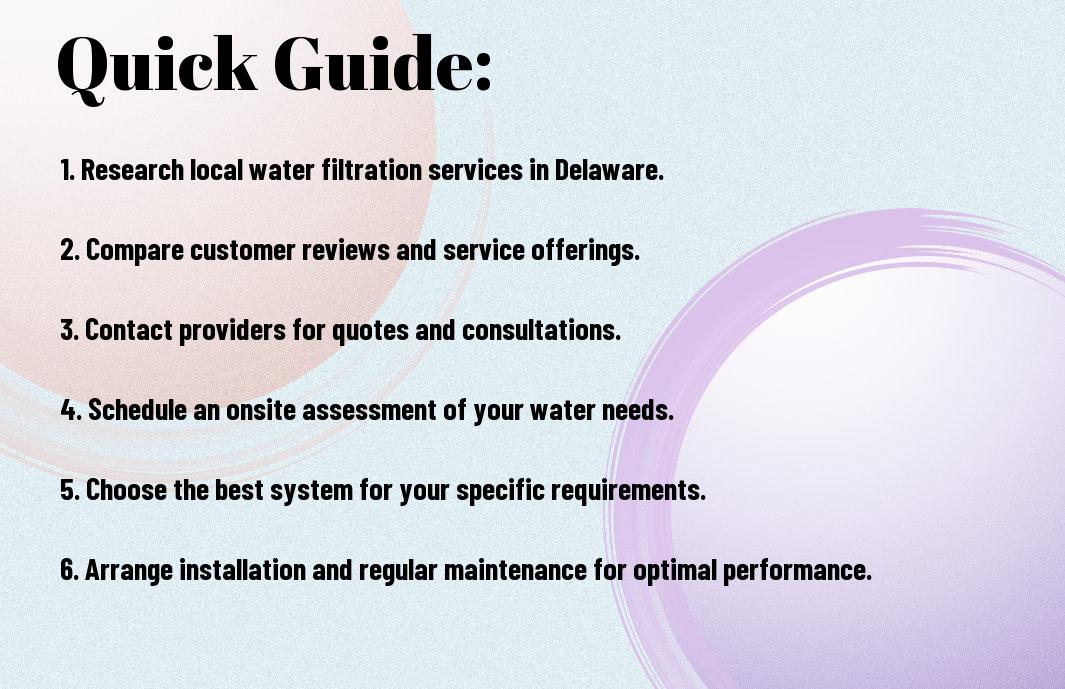
Step-by-Step Guide to Installing a Water Filtration System
For homeowners in Delaware considering water filtration services, installing a water filtration system can provide many benefits, including improved taste, odor removal, and safety from contaminants. This guide breaks down the process into manageable steps, ensuring you can easily follow along and achieve the desired results.
| Step | Description |
| 1 | Initial Assessment of Home Water Supply |
| 2 | Selecting the Appropriate Filtration System |
| 3 | Preparing Your Space for Installation |
| 4 | Installation Process Walkthrough |
| 5 | Post-Installation Testing and Maintenance |
Initial Assessment of Home Water Supply
There’s no better way to kickstart your water filtration journey than by evaluating your home water supply. Begin by collecting a sample of your tap water and analyze it for common contaminants such as chlorine, lead, and bacteria. This will give you a clear understanding of what substances are present and what needs to be filtered out.
Additionally, you should consider the source of your water supply, whether it’s from a well, municipal supply, or other sources. Each source may present different challenges, and understanding this will assist you in selecting the optimal filtration system for your specific needs.
Selecting the Appropriate Filtration System
Assessment of your water quality will directly influence the type of filtration system you choose. Various systems, including activated carbon filters, reverse osmosis, and UV filters, are designed for specific contaminants, so knowing what you’re dealing with will help you make an informed decision.
Choosing the right filtration system also depends on your household’s water consumption, the space available for installation, and your budget. It’s important to conduct thorough research and consider consulting a professional who can provide insights tailored to your particular situation.
Another vital aspect of selecting the filtration system hinges on the reviews and recommendations of other users. Sometimes, learning from others’ experiences can provide an extra layer of assurance and clarity as you navigate your options.
Preparing Your Space for Installation
Filtration systems require specific spaces for installation, so it’s important to evaluate the available locations in your home. Look for areas with easy access to plumbing, electricity (if necessary), and adequate ventilation. Clear out any clutter that might obstruct the installation process, ensuring the designated area is clean and ready for setup.
Additionally, you’ll need to gather necessary tools and materials before beginning the installation. This may include wrenches, screwdrivers, Teflon tape, and the filtration system itself. Gathering everything in one spot can streamline the process and help you avoid interruptions.
It’s wise to plan for potential water leaks during installation by having towels and buckets on hand. Being prepared will save you time and reduce any stress that might arise from unexpected challenges.
Installation Process Walkthrough
Installation of your water filtration system begins with carefully following the manufacturer’s instructions specific to your chosen model. Typically, this involves shutting off the water supply, attaching the filtration unit to the plumbing, and ensuring all connections are secure. Pay careful attention to the placement of each component, as any misstep could lead to inefficiencies in filtration.
Once everything is in place, you’ll need to restore the water supply and check for any leaks. Running water through the system for an initial flushing is often recommended to remove any manufacturing residues and ensure your system is working optimally.
Walkthroughs generally include clear diagrams and step-by-step instructions to help you understand the installation process better. Then, you can easily reference these materials as needed, providing an effective roadmap for completing the installation successfully.
Post-Installation Testing and Maintenance
System maintenance is vital for ensuring longevity and optimal performance. After installation, it’s advisable to test your water again after a few weeks, particularly if you’ve made changes to your filtration setup. Conducting regular tests can help you stay informed about the quality of your water and the effectiveness of the filtration system.
Moreover, different filtration systems have varying maintenance requirements such as filter replacement schedules and cleaning protocols. Adhering to these specifications is necessary for keeping your system working optimally over time, thus ensuring that your water remains safe and pleasant to consume.
Water testing kits can provide easy access to evaluations of your water quality, and establishing a regular maintenance routine can extend the lifespan of both your system and your investment.
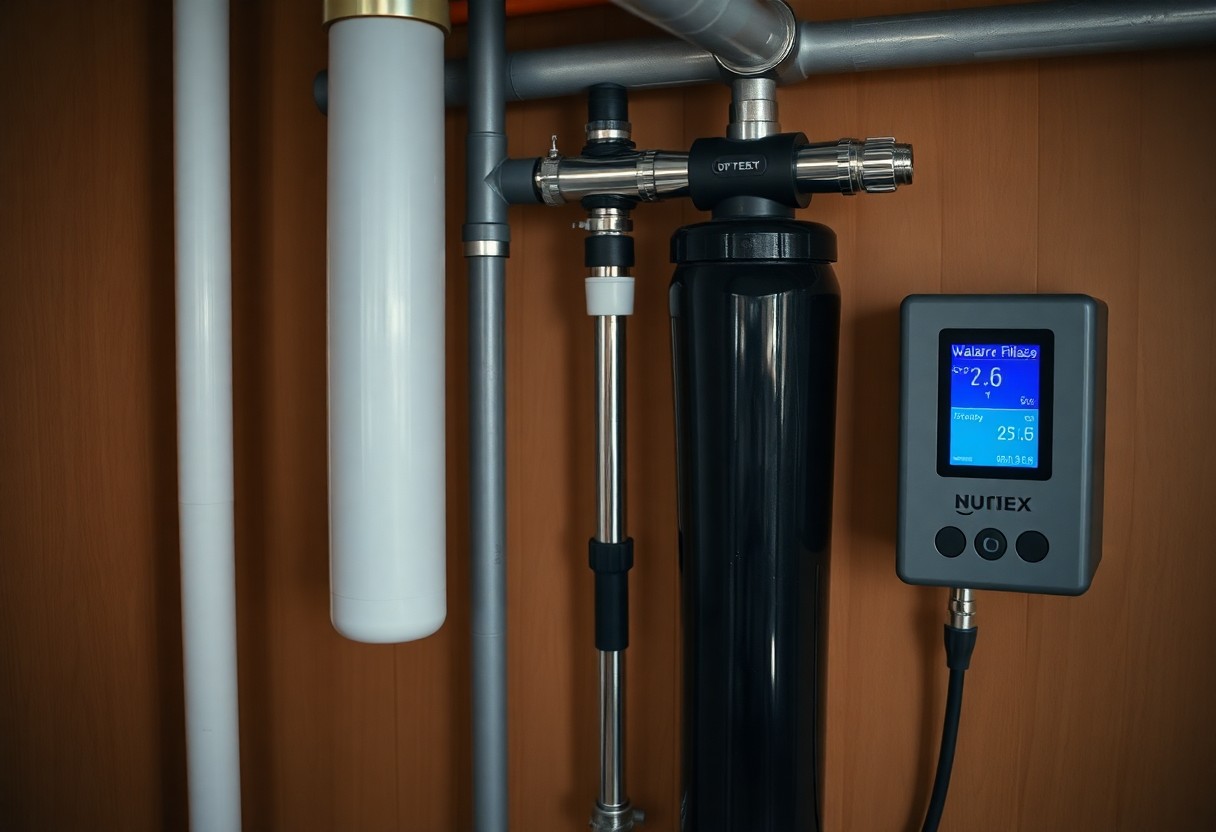
Factors to Consider When Selecting a Filtration System
Not all water filtration systems are created equal, and selecting the right one for your home in Delaware involves considering several factors. Here is a list of vital aspects to think about when selecting a water filtration system:
- Your specific water quality needs
- Filtration capacity and speed
- Space for the installation
- Cost and budget
- Maintenance requirements
- Certification and standards
The right filtration system will efficiently address your water quality concerns while fitting into your lifestyle and financial plans.
Cost and Budget
The cost of a water filtration system can vary widely based on the type, brand, and features. It’s vital to assess both the initial purchase price and any long-term operational costs, such as filter replacements and maintenance. Be sure to compare prices from various providers in Delaware to ensure you get the best deal without compromising on quality.
Additionally, consider whether your budget allows for a whole-house filtration system or if you should start with a more affordable point-of-use option. Investing in a reliable system upfront can save you money in the long run by improving water quality and reducing plumbing issues related to contaminants.
Water Source and Characteristics
Filtration systems vary in effectiveness depending on the source and quality of your water. Whether you draw your water from a municipal supply, well, or another source significantly affects the type of contaminants present and their concentrations. Understanding the unique characteristics of your water allows you to choose a system designed to address specific issues, such as hard minerals, bacteria, or chlorine.
Another consideration is geographical factors that might influence your water quality, such as local pollutants or agricultural runoff that may affect well water in more rural areas. Testing your water will give you a clearer picture of the filtration method you need for optimal results.
Maintenance Requirements
To ensure your filtration system continues to perform effectively, regular maintenance is vital. This includes tasks such as replacing filters according to the manufacturer’s recommendations and cleaning the system periodically. Understand the maintenance requirements of your chosen filtration system before making a purchase, as some systems require more upkeep than others.
With proper maintenance, you can significantly extend the life of your filtration system, ensuring it provides clean, safe water for years. Failing to maintain your system could lead to a reduction in performance and potential water quality issues over time.
Certification and Standards
Assuming you are looking for a reliable filtration system, it’s vital to consider its certifications and adherence to established standards. Look for products that have been tested and certified by authoritative bodies such as NSF International or the Water Quality Association. These certifications ensure that the system effectively removes specific contaminants and meets safety guidelines.
Selecting a certified filtration system not only provides you with peace of mind but also reassures you that your investment will yield the intended results. Ensure you verify the claims made by the manufacturers and refer to consumer reviews and expert recommendations for added confidence in your choice.
Pros and Cons of Water Filtration Services
Now, it’s crucial to weigh the advantages and disadvantages of water filtration services to make an informed decision. Understanding these factors can help you determine if the investment is right for your household.
| Pros | Cons |
|---|---|
| Removes impurities and contaminants from your water. | Initial installation costs can be high. |
| Improves the taste and odor of water. | Regular maintenance and filter changes are required. |
| Provides safer drinking water for your family. | Not all systems remove every type of contaminant. |
| Can save money on bottled water. | May require professional installation. |
| Environmentally friendly alternative to bottled water. | Space requirements for certain filtration systems. |
| Enhances the quality of water for cooking and cleaning. | Some systems can be complex to operate. |
| Reduces the risk of health issues related to contaminated water. | May not fully eliminate hard water issues. |
Benefits of Water Filtration
If you are considering water filtration, you’ll be pleased to know that the benefits can significantly enhance your water quality. A filtration system can effectively eliminate pollutants such as chlorine, lead, and heavy metals, providing you with cleaner and safer water for drinking, cooking, and bathing. This can contribute to better overall health for you and your family.
Moreover, the improvement in taste and odor can make drinking water more enjoyable, potentially encouraging you to drink more water instead of sugary beverages. In the long run, this habit can contribute to better hydration and overall well-being.
Potential Downsides and Limitations
Now, while water filtration systems offer many advantages, they also come with some potential downsides. One of the key limitations is the initial cost associated with purchasing and installing a filtration system. If you’re on a tight budget, this expense might be a significant factor to consider.
Another consideration is the ongoing maintenance that water filtration systems require. You’ll need to regularly change filters and, in some cases, get the system serviced. Failing to maintain the system can lead to reduced performance, potentially leaving your water vulnerable to contaminants.
Filtration systems vary widely in effectiveness, and not all systems will remove every type of contaminant from your water. This means you must choose a system that aligns with the specific needs of your local water quality, which may require some research on your part.
Long-Term Value vs. Initial Investment
Filtration systems can represent a substantial initial investment; however, they can also offer long-term savings and value. Once you have your system installed and operational, you may find that your overall spending on bottled water decreases significantly. Additionally, with access to higher quality water, you may notice fewer health-related costs over time, assuming you and your family consistently use filtered water.
Ultimately, these factors help to justify the initial expense, allowing you to weigh the long-term benefits against the upfront costs. Considering your household’s water consumption habits and health priorities will guide you in determining if the investment is worthwhile for you.
The decision to invest in a water filtration system requires careful consideration of both the immediate and ongoing costs. Being mindful of your water quality needs ensures you select the right filtration service that provides long-lasting benefits and fits comfortably within your budget.
Final Words
So, as you consider your options for water filtration services in Delaware, it’s important to assess your specific needs. Whether you’re seeking to improve water quality for health reasons, enhance tastes, or protect your plumbing, there are various solutions available to suit your requirements. With an array of filtration systems, including reverse osmosis, carbon filters, and UV purifiers, you have the opportunity to choose a service that aligns with your lifestyle and ensures your family enjoys clean, safe water. Additionally, local providers often offer professional installation and maintenance, giving you peace of mind that your system operates optimally.
Investing in water filtration services not only elevates the quality of your drinking water but also contributes to a more sustainable lifestyle. By filtering out contaminants, you’re not just taking a step toward better health; you’re also reducing plastic waste from bottled water. Engage with reputable companies in your area that prioritize customer satisfaction and demonstrate a commitment to quality. With the right information and resources at hand, you can make an informed choice that meets your needs and transforms your water supply into the pure and refreshing resource it should be.
FAQ
Q: What types of water filtration services are available in Delaware?
A: In Delaware, various water filtration services are offered, including reverse osmosis systems, carbon filtration, ultraviolet (UV) light purification, and whole-house filtration systems. Each type targets different contaminants to provide cleaner and safer drinking water for homes and businesses.
Q: How often should water filtration systems be serviced?
A: Generally, it is advisable to service water filtration systems at least once a year. However, the frequency can vary based on the type of system, water quality, usage, and the specific recommendations from the manufacturer.
Q: Are there any specific contaminants that Delaware water filtration services address?
A: Yes, Delaware water filtration services typically focus on contaminants such as chlorine, lead, bacteria, sediment, and volatile organic compounds (VOCs). Each filtration system is designed to target specific impurities based on local water quality assessments.
Q: How do I choose the right water filtration system for my home?
A: To select the appropriate water filtration system, consider factors such as your specific water quality concerns, your budget, the type of filtration system needed (point-of-use or whole-house), and the space available for installation. Consulting with a water quality expert can also provide valuable insight.
Q: Is professional installation necessary for water filtration systems?
A: While some homeowners may opt for DIY installation, professional installation is usually recommended. An expert ensures that the system is set up correctly, operates efficiently, and complies with local plumbing codes, reducing the risk of leaks or malfunctions.
Q: What are the benefits of using water filtration services in Delaware?
A: Using water filtration services can significantly improve water quality by reducing harmful contaminants, enhancing taste and odor, and providing peace of mind regarding health and safety. It can also extend the life of plumbing appliances by reducing scale buildup and sediment.
Q: How can I find reliable water filtration service providers in Delaware?
A: To find reputable water filtration service providers in Delaware, consider reading online reviews, seeking recommendations from friends and family, and checking professional affiliations such as the Water Quality Association (WQA). Requesting quotes and asking about warranties and service plans can also help in the selection process.